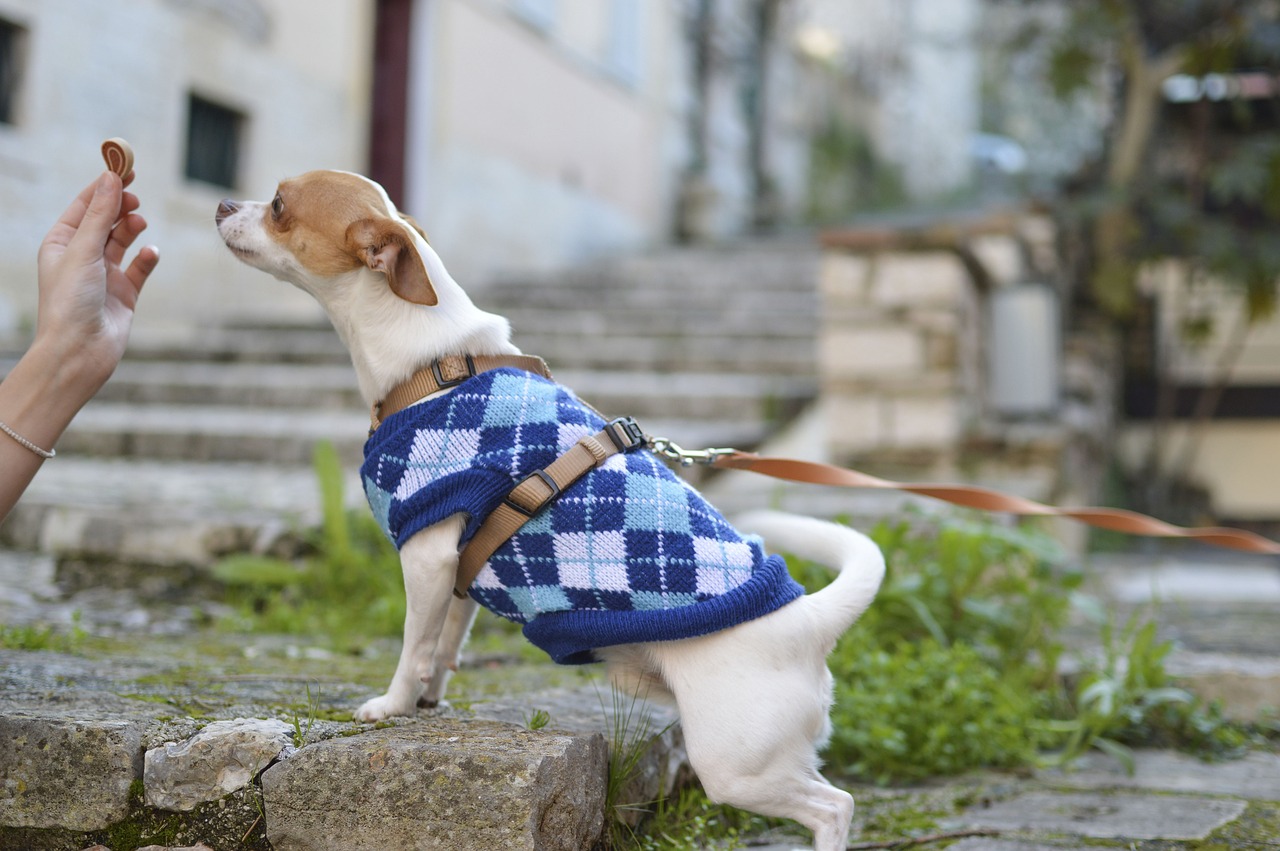
More pet apparel comes back to us over fit than for any other reason, and almost all of it is avoidable. The root cause is simple: there is no industry standard for pet clothing sizes. A medium from one maker is a large from another, and the letter on the label tells you nothing on its own.
What does work is measuring the dog and buying against the numbers.
The three measurements
Chest girth
The most important one. Measure right around the deepest part of the chest, just behind the front legs, with the dog standing. This is the measurement that decides whether a garment goes on at all.
Neck girth
Around the base of the neck, where a collar sits. Two fingers should slide under the tape comfortably.
Back length
From the base of the neck — where the collar sits — to the base of the tail. Not to the tip of the tail, which is where people commonly go wrong and end up with a garment that covers ground it should not.
How to read the size chart
Start with the weight range on the listing, then check the measurements. Where the two disagree, the measurements win.
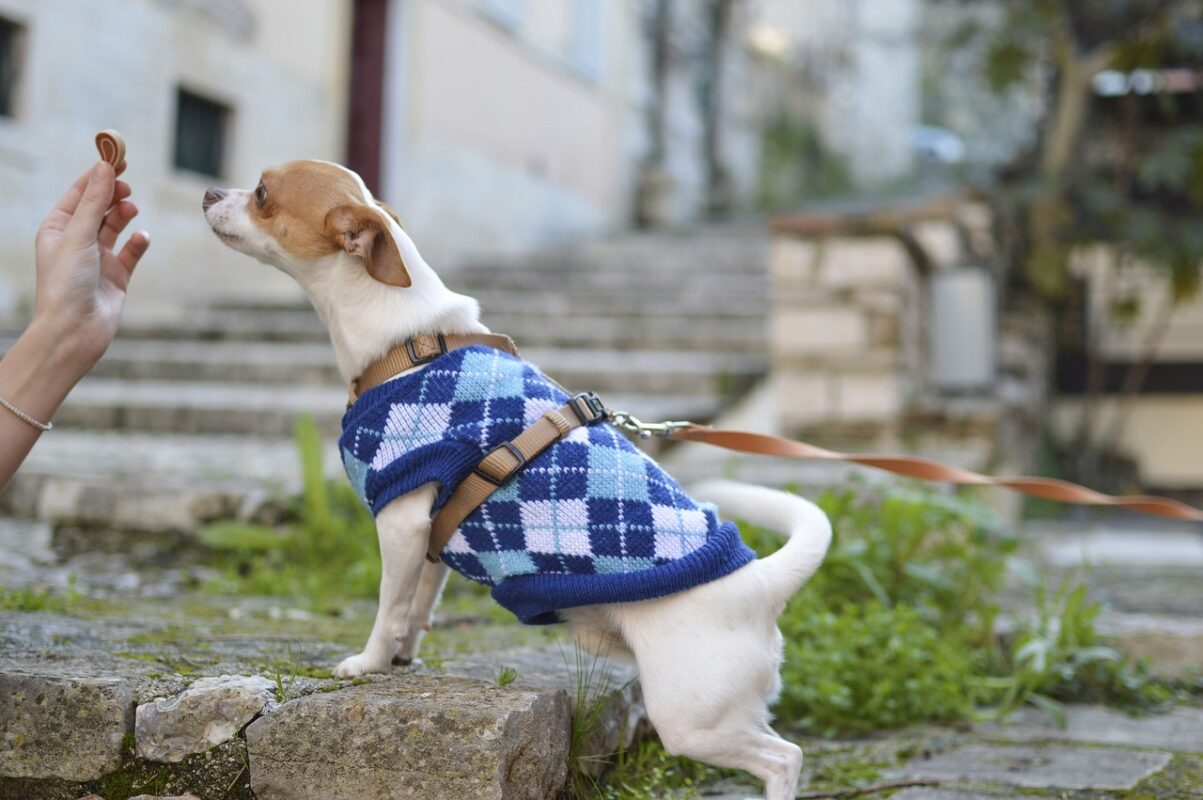
If your dog falls between two sizes, size up. A slightly loose sweater is comfortable; a tight one restricts the shoulders and gets removed by the dog within the hour.
Every apparel listing on this site carries both the weight range and the maker’s measurements, which is why we list them that way — see the dog apparel range.
Breed shapes that break the chart
Weight alone is a poor proxy for shape, and several common builds need special attention.
- Deep-chested breeds — greyhounds, whippets, dachshunds — need a garment cut for a large chest relative to weight. A sweater sized by weight will not fasten.
- Barrel-chested breeds — bulldogs, pugs — need chest room and a short back. Long garments bunch.
- Long-backed breeds — dachshunds, corgis — need length that a chest-based size will not supply.
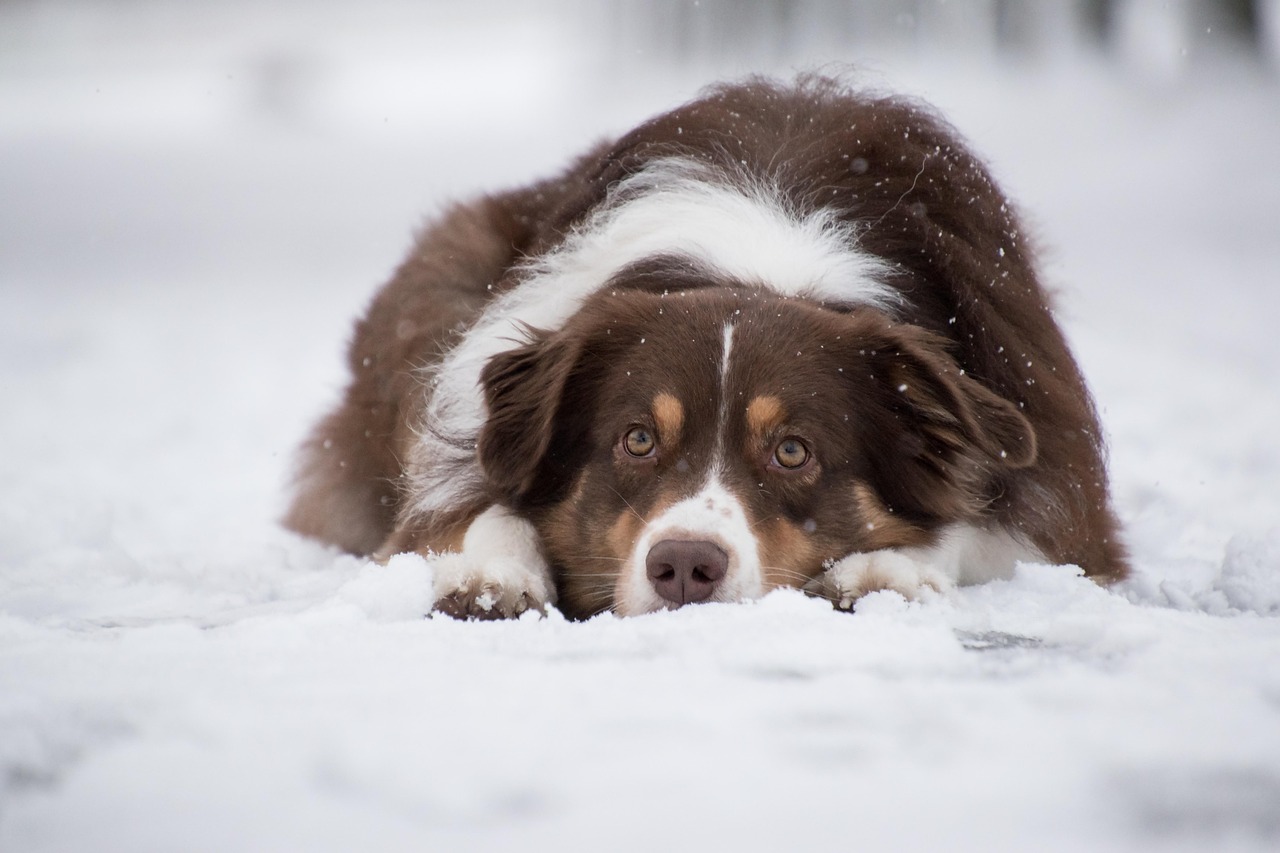
- Thick-coated breeds need a little extra girth for the coat itself, particularly out of season.
For any of these, measure and buy on measurement. The weight column is not going to help you.
Where fit actually fails
People check length and forget the details that cause the garment to be rejected:
- Leg holes. Too far back and they cut into the armpit; the dog will refuse to walk normally.
- Neck opening. Too tight is obvious; too loose lets the garment rotate until it is under the chest.
- Belly coverage. Male dogs need clearance at the rear of the belly panel or the garment gets soiled every time.
- Rear length. Should stop before the tail base, not cover it.
Getting the dog to accept it
Even a perfectly fitted garment gets rejected if it is introduced badly. Let the dog sniff it, put it on for thirty seconds indoors, treat, take it off. Build up over several short sessions before the first walk in it.
A dog that freezes and refuses to move is usually reacting to the sensation rather than the fit, and that resolves with repetition. A dog that keeps trying to back out of it, or walks with a shortened stride, is telling you something is genuinely too tight.
Fabric and season
Fleece is warm, light and easy to wash, which makes it the sensible default for most winter use here. Knit looks better and holds shape less well when wet. Waterproof shells go over a layer rather than replacing one, and should be sized with that in mind.
For a dog that will wear something regularly, buy two so one can be in the wash. Anything worn on a walk gets muddy far faster than people expect.
Which dogs actually need clothing
This matters, because not every dog does. Thin-coated, small, elderly or short-haired dogs genuinely lose heat quickly in a Kansas winter and benefit. Double-coated northern breeds do not, and layering one can cause overheating.
The honest test is behaviour: a dog that shivers, lifts its feet or wants to turn back on a cold walk will be more comfortable in a sweater. A husky standing happily in the snow does not need help.
Before you order
Measure first, buy on the numbers, size up when between. Our dog apparel listings carry both the weight range and the maker’s measurement chart, and if you would like a second opinion on a specific dog, send us the three measurements and we will tell you which size we would order.
Delivery timings are on the shipping policy page, and the return and refund policy explains the window and condition requirements if the fit is not right. The FAQ covers the questions we hear most, and the rest of the store is on the shop page.
From our shelves
Products in this store that relate to what is covered above:
Prices are in US dollars. Delivery timings are on our shipping policy page and the return and refund policy sets out the window if something is not right.
Key points
- Letter sizes are not standard between makers. Buy on the weight range and the measurements, and ignore the letter.
- Take three measurements: neck, chest at the widest point behind the front legs, and back length from collar to tail base.
- Chest is the measurement that decides fit. A garment that clears the chest can be worked with; one that does not cannot.
- Deep-chested and long-backed breeds almost always need a different size from what their weight suggests.
- Measure the dog standing, with the tape snug but not tight, and add roughly an inch of ease to the chest figure.
- Check leg-hole placement and belly coverage: most returns are caused by armholes cutting in, not by overall length.
Related reading