Most dogs in most households get walked, fed and left. That covers the basics and it leaves a large number of waking hours unaccounted for, which is where destructive chewing, barking at the window and general restlessness come from.
The useful insight is that mental work tires a dog faster than physical distance. Ten minutes of sniffing does more than an extra mile of pavement, and on a weekday evening in February that is a practical difference.
Scent work, the highest return per minute
A dog’s nose is its primary sense, and using it is genuinely tiring.
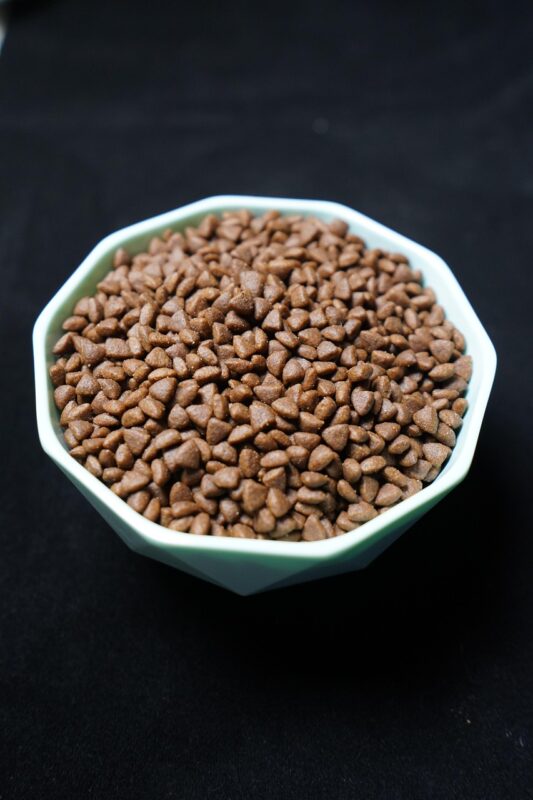
- Scatter feeding. Throw part of the dry ration into grass or across a rug and let the dog find it. Five minutes of work, zero equipment.
- Find it. Hide treats around a room while the dog waits in another, then release.
- Snuffle mats. Fabric with folds that hide kibble; a bath towel rolled with treats inside works the same way.
- Sniffing walks. Let the dog choose the pace and stop wherever it wants. Shorter in distance, better in effect.
Feed through toys, not bowls
A bowl empties in ninety seconds. The same food inside a stuffed rubber toy occupies twenty minutes and gives the dog a task.
Start easy — loosely packed, generous holes — and build difficulty. Freezing a stuffed toy extends it considerably, which is useful for dogs left alone in the morning.
Toys designed for this are under dog toys, and the listings state the chewer strength each is built for, which matters more for stuffable toys than for any other kind.
Chewing is regulation, not just fun
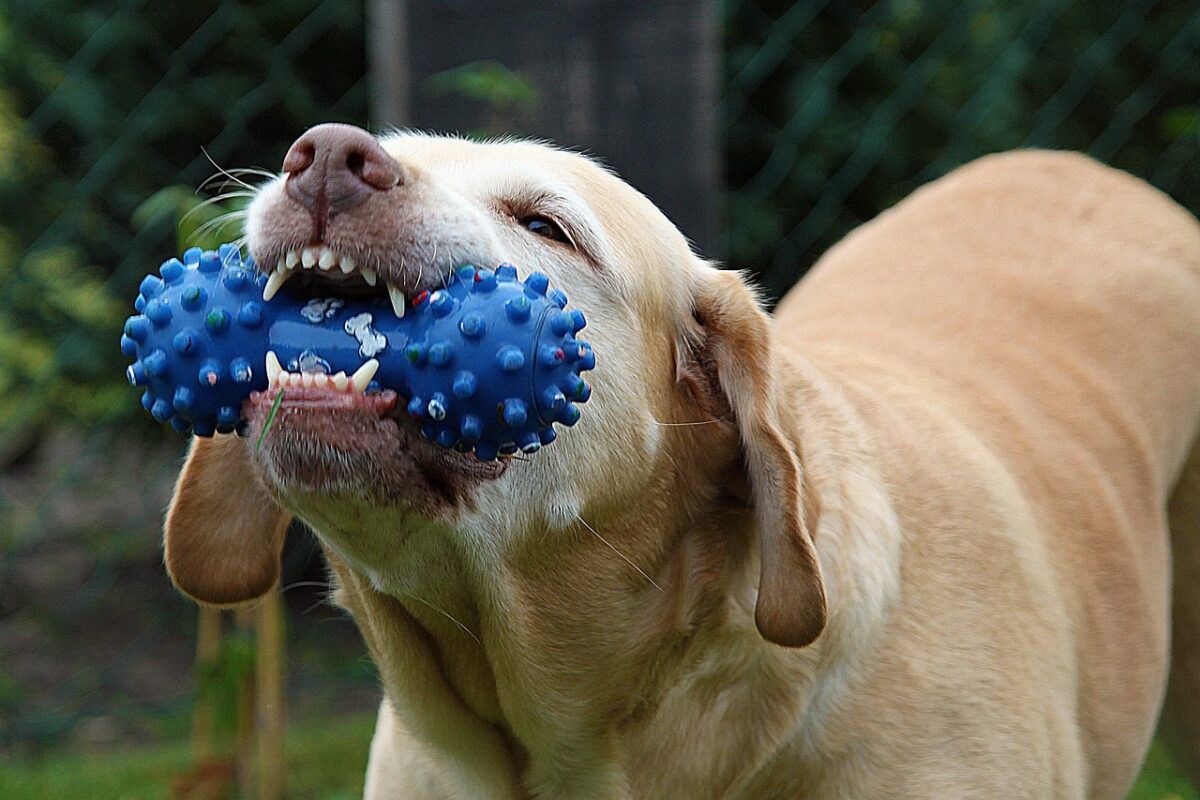
Chewing releases tension. A dog that has a legitimate daily chew is markedly less likely to redirect that need onto skirting boards and shoes.
Keep it appropriate: something that flexes rather than something rock-hard, sized so it cannot fit entirely behind the back teeth, and supervised until you know how this particular dog handles it. Retire anything that is coming apart.
Short training beats long training
Two or three minutes, several times a day, is more effective and more tiring than a single twenty-minute session. It also fits into an ordinary evening without needing to be scheduled.
Anything counts as training: a hand touch, a settle on a mat, a wait at the door, a trick. Novelty is part of the value, so cycle what you work on rather than drilling the same cue.
Structure for the day
A rough weekday shape that works for most households:
- Morning: short sniffing walk, then breakfast in a puzzle toy before you leave.
- Midday: a chew or a frozen stuffed toy if someone is in.
- Evening: proper walk with sniffing time, scatter-fed dinner, two short training sessions, and a settled chew afterwards.
None of that adds much to the day, and it changes behaviour noticeably within a fortnight.
Rotate, or it stops working
Dogs habituate to toys as quickly as birds do. Keep half in a cupboard, swap weekly, and the same toys hold interest for months. A dog surrounded by twelve permanently available toys usually looks bored with all of them.
Know when to stop
More arousal is not always better. A dog that finishes a session unable to settle, panting and pacing, has been over-stimulated rather than tired out. High-arousal games — repetitive ball throwing especially — can leave a dog wired rather than calm.
Balance active work with calm work: chewing, sniffing, and a settled rest afterwards. A settle on a mat, rewarded quietly, is a trainable skill and one of the most useful things you can teach.
Cats too
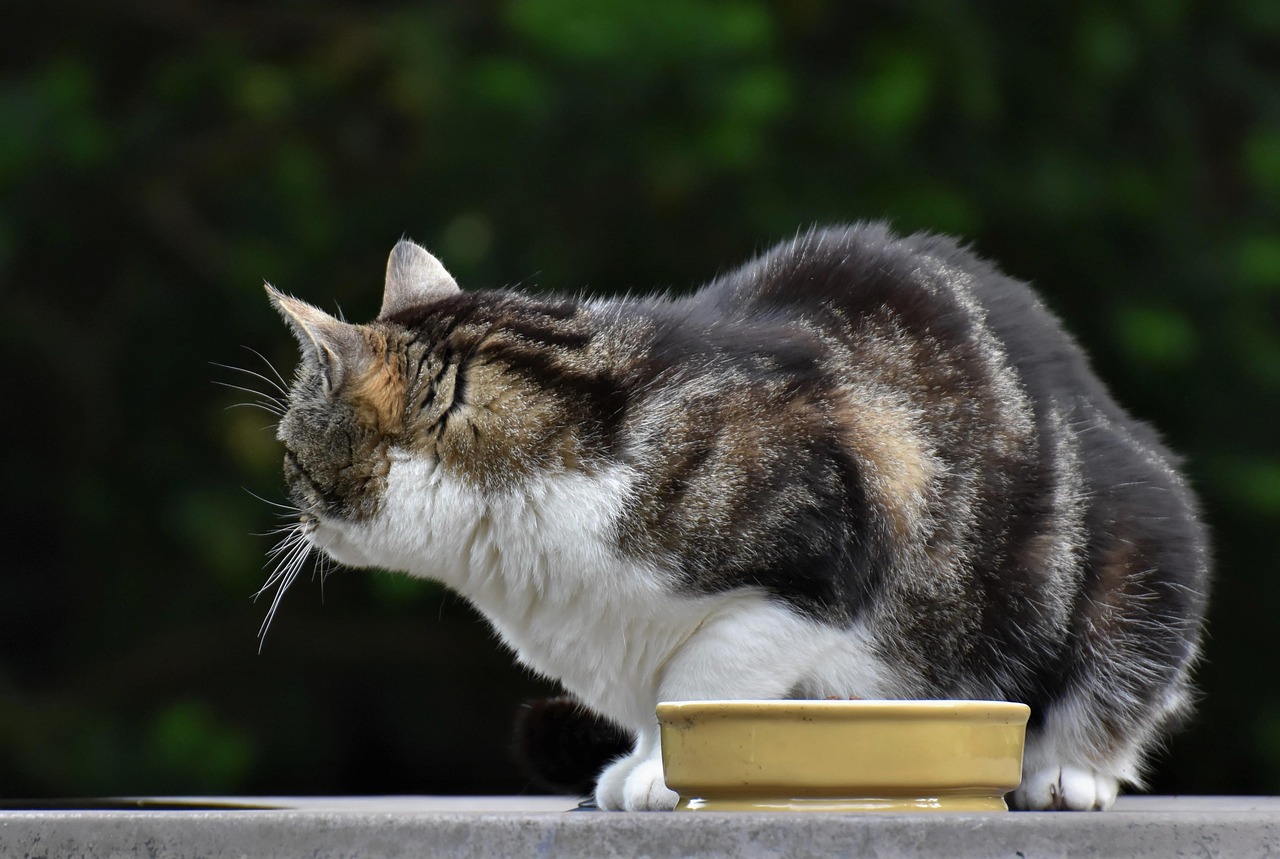
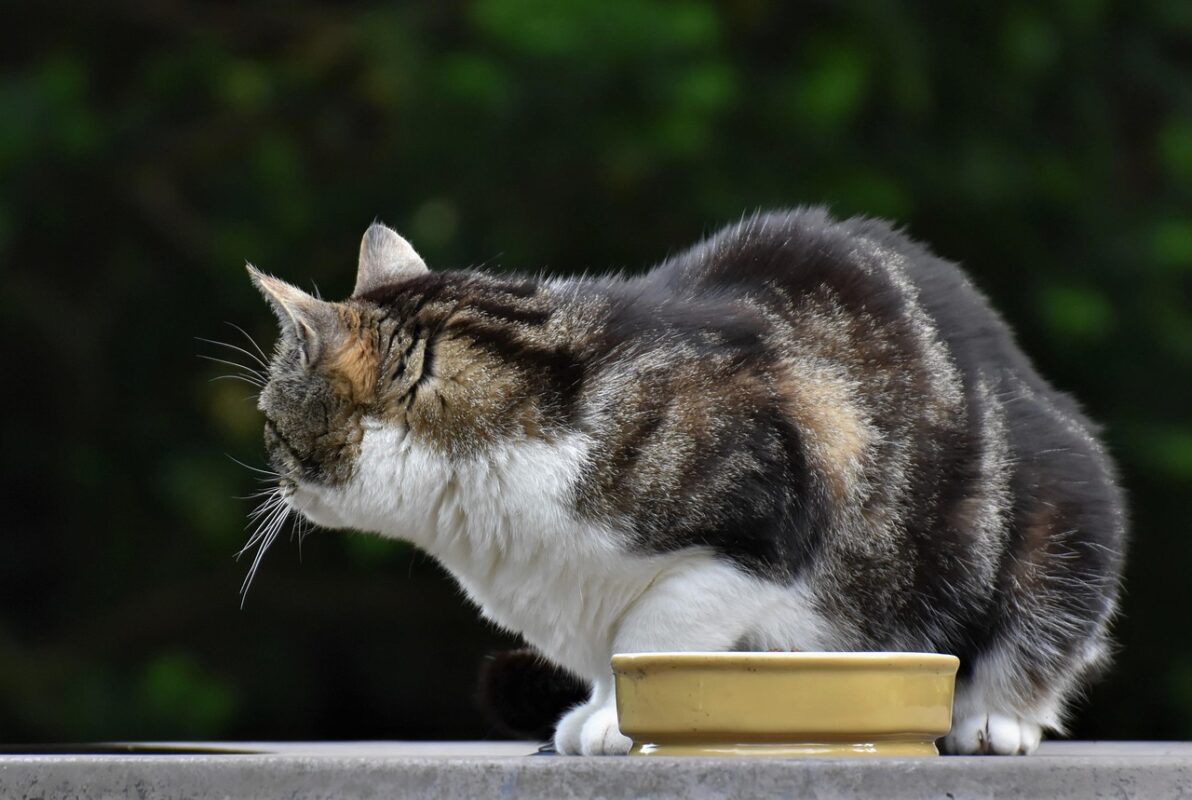
The same principles apply. Cats hunt in short bursts, so several two-minute wand sessions ending in a catch and a small food reward suit them far better than one long play. Puzzle feeders work equally well, and food-motivated cats take to them quickly — see cat treats and toppers for what to load them with.
Where to start
If you do one thing, feed part of the ration through a toy or by scattering. It costs nothing, takes no extra time, and fills the part of the day that would otherwise be empty.
Our dog toys range lists materials and chewer strength; ask us for a suggestion for a specific dog, check the FAQ, or browse the store.
From our shelves
Products in this store that relate to what is covered above:
Prices are in US dollars. Delivery timings are on our shipping policy page and the return and refund policy sets out the window if something is not right.
Key points
- Sniffing tires a dog faster than distance. Ten minutes of scent work is worth more than an extra mile of pavement.
- Feed part of the daily ration through toys and scatter feeding rather than a bowl — it costs nothing and fills real time.
- Chewing is self-soothing behaviour, not just entertainment; a daily appropriate chew reduces destructive chewing elsewhere.
- Rotate toys weekly. Habituation is why dogs look bored with a full toy box.
- Training sessions of two to three minutes, several times a day, are more tiring than one long walk.
- Watch for over-arousal: a dog that cannot settle after activity needs calmer enrichment, not more of it.
Related reading