Winter walks here bring three specific hazards that have nothing to do with temperature: de-icing salt on sidewalks, snow compacting between the toes, and antifreeze on driveways. All three are manageable with a short routine, and all three are regularly overlooked.
De-icing salt
The chloride salts used on sidewalks and roads are abrasive and drying on contact, and genuinely harmful if ingested. A dog that walks through salt and then licks its feet at home is consuming it.
The routine that solves it takes a minute:
- Keep a shallow tray of lukewarm water and a towel by the door.
- Rinse each paw, including between the toes.
- Dry thoroughly — damp between the toes causes its own problems.
- Check pads for cracks and redness while you are down there.
Pet-safe de-icers exist for your own steps and driveway and are worth using, though they do not help on the rest of the walk.
Ice balls between the toes
Snow packs into the hair between the pads and compresses into hard balls that are painful to walk on. This is why a dog suddenly starts limping or stopping to bite at its feet halfway through a walk.
Trim the hair between the pads level with the pad surface through the winter. That single job prevents most of it. Boots also solve it, if your dog will tolerate them — introduce boots indoors over several short sessions, because the first reaction is almost always a comical high-stepping walk.
Antifreeze
Ethylene glycol tastes sweet and is lethal in very small quantities. It leaks onto driveways and pools in gutters, and dogs will drink it voluntarily.
Avoid puddles near parked cars, do not let a dog drink from standing water in winter, and treat any suspected exposure as an immediate veterinary emergency. There is a narrow treatment window and waiting to see if symptoms develop is the wrong call.
Which dogs need a coat
Not all of them, and putting one on a double-coated dog can cause overheating.
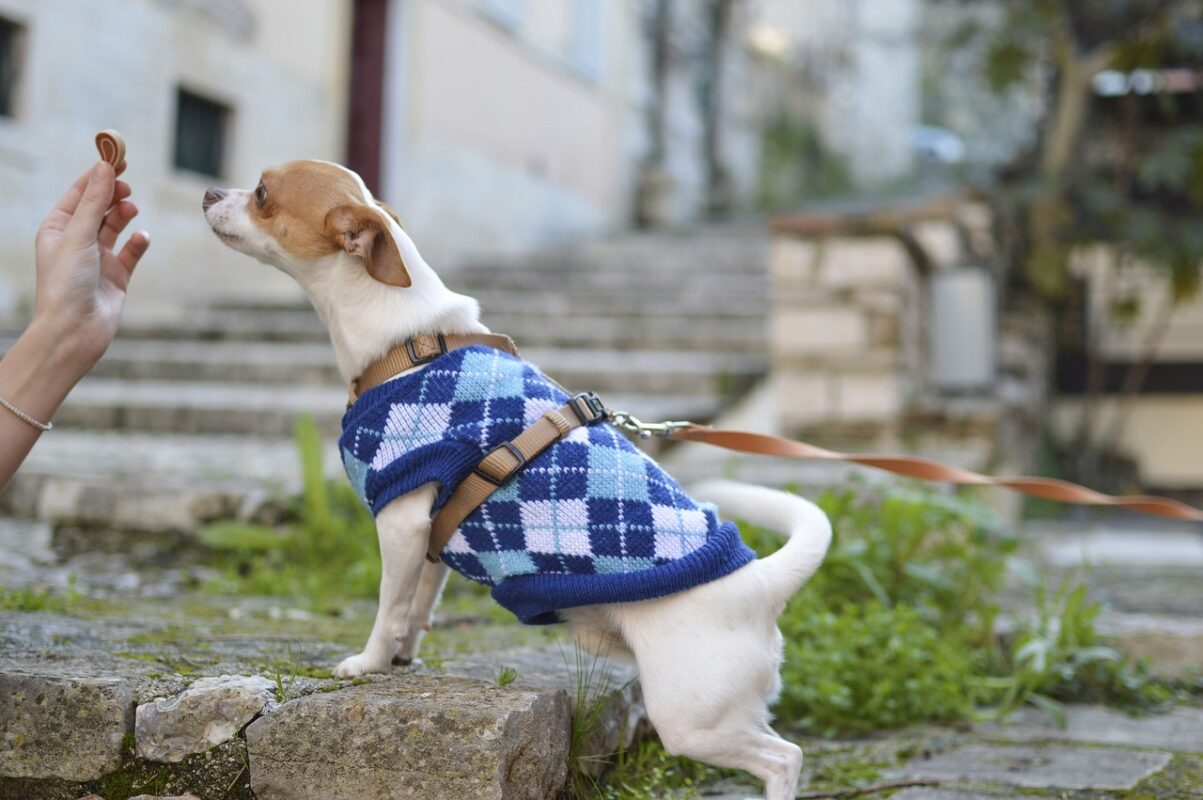
Usually benefit: thin-coated breeds, small dogs with a high surface-area-to-volume ratio, elderly dogs, puppies, dogs that are unwell or underweight, and short-haired breeds generally.
Usually do not: huskies, malamutes, and other northern double-coated breeds, who are equipped for far worse than a Kansas winter.
The reliable test is behaviour: shivering, lifting feet, hunching, or trying to turn back means the dog is cold. A dog trotting happily is fine. Our dog apparel listings give weight ranges and measurements, and there is a full sizing guide elsewhere on this journal.
Adjusting the routine, not cancelling it
Shorter, more frequent walks work better than one long outing in hard weather. That is easier on the dog and easier on you.
Fill the difference indoors with scent work and food puzzles — ten minutes of sniffing does more than an extra mile, and it is entirely weather-proof. There is a full guide to weekday enrichment elsewhere on this journal, and stuffable toys are under dog toys.
Winter feeding
Dogs that spend real time outdoors in cold weather may need slightly more food; dogs whose exercise drops in winter usually need slightly less. Both are common and they pull in opposite directions, so judge by body condition rather than by season.
Check ribs and waist every couple of weeks and adjust by around ten per cent. Our dog food and treats listings carry the bag weight and guaranteed analysis, and there is a guide to reading a label elsewhere on this journal.
Cats in winter
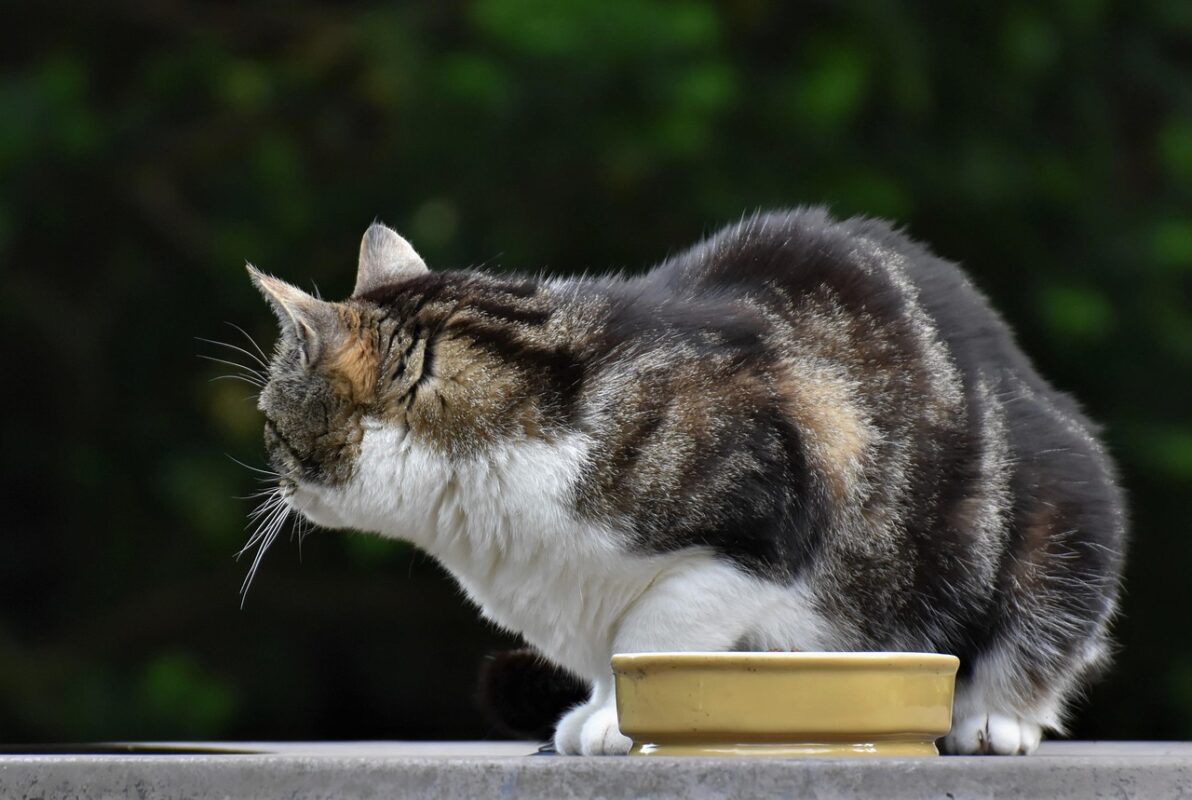
Outdoor and indoor-outdoor cats shelter in warm places, and a parked car’s engine bay is one of them. Knocking on the hood before starting the car in cold weather is a habit worth having.
Antifreeze is at least as dangerous to cats as to dogs, and cats are more likely to walk through it and groom it off.
The short version
Trim the hair between the pads, rinse and dry paws after every walk, avoid puddles near cars, coat the dogs that need one, and move some exercise indoors when the weather is bad.
We are on Martway Street in Mission and open seven days — ask us anything, see the FAQ, or browse the store.
From our shelves
Products in this store that relate to what is covered above:
Prices are in US dollars. Delivery timings are on our shipping policy page and the return and refund policy sets out the window if something is not right.
Key points
- De-icing salt is the main winter hazard for paws: it irritates pads and is harmful if licked off after a walk.
- Rinse and dry paws after every winter walk, and check between the toes where ice balls and salt collect.
- Thin-coated, small, elderly and short-haired dogs lose heat quickly; double-coated northern breeds usually do not need a coat.
- Shivering, lifted feet or turning for home are the honest signals that a dog is too cold — not the thermometer.
- Trim the hair between the pads in winter; it is where snow compacts into painful ice balls.
- Antifreeze is sweet-tasting and lethal in small amounts. Any suspected exposure is an immediate emergency.
Related reading